Retail
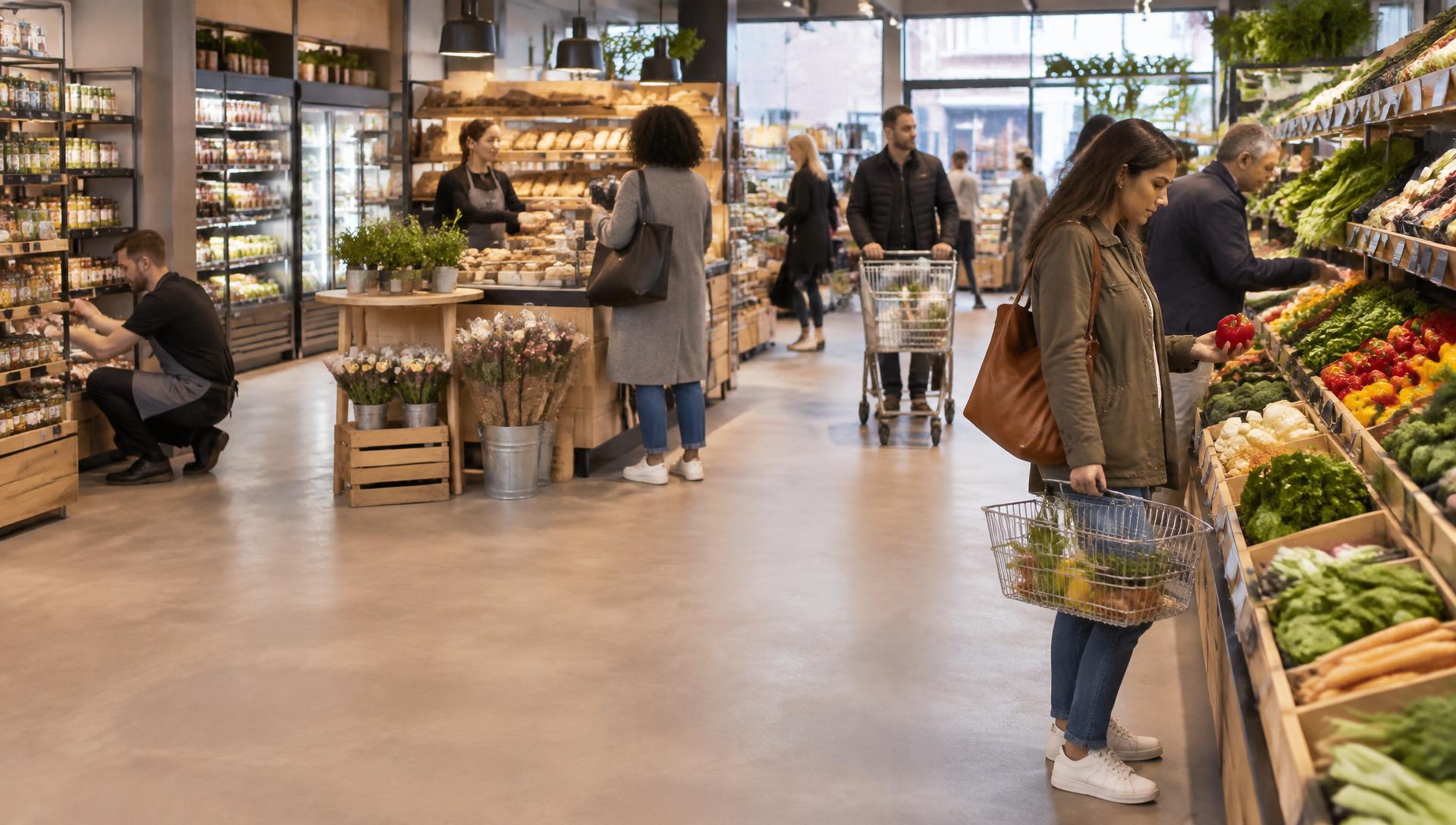
Running a shop means making decisions all day.Ordinary choices can shape how the business performs.
What you stock. What gets suggested. What you discount. What payments cost. Whether customers come back. Small decisions add up.
Retail takes many forms. But the same questions keep coming back: what sells, what it is worth and what happens next.
Take one shop, one Saturday and one basket.
The whole receipt runs to five lines.The business behind it does not.
One basketSaturday, 11:40
Select a line to read what stands behind it.



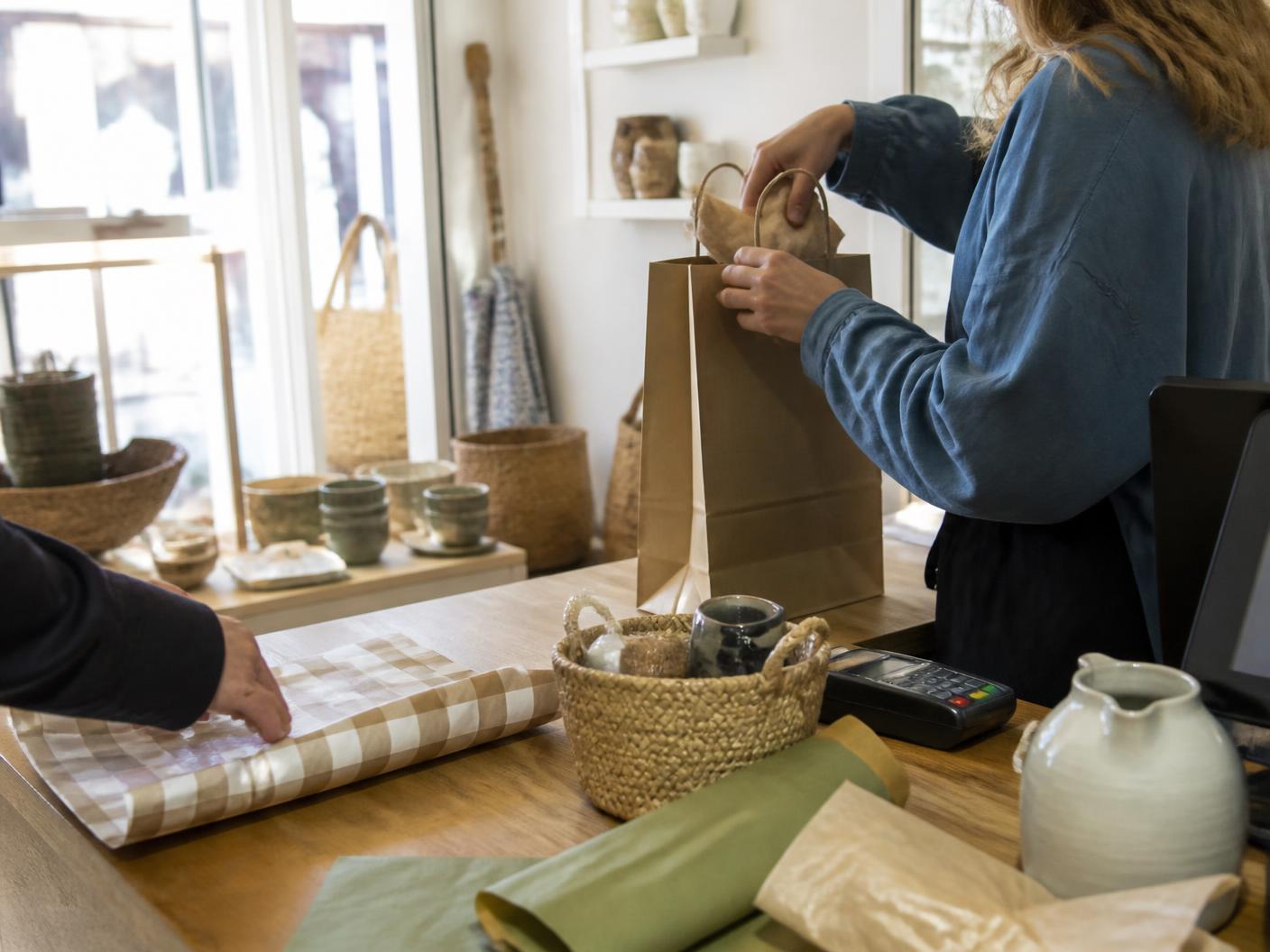

It sold because it was there.
The lamp had sold out before. This time one was left. The next customer came back and found none. A missed sale never appears on the receipt.
A stronger setup should show what is selling and what is running low while there is still time to act.
That can produce fewer missed sales, better product availability and less money tied up in the wrong stock.
What one basket can reveal
The receipt is short.The commercial picture is not.
One basket can raise bigger questions about margin, operating cost, customer value and what the shop should do next.
- Reduce CostsAre the costs behind each sale still working for the business?
- Grow RevenueAre you getting enough value from the customers and demand you already have?
- Expand with ConfidenceIs the business ready for another channel, format or location?
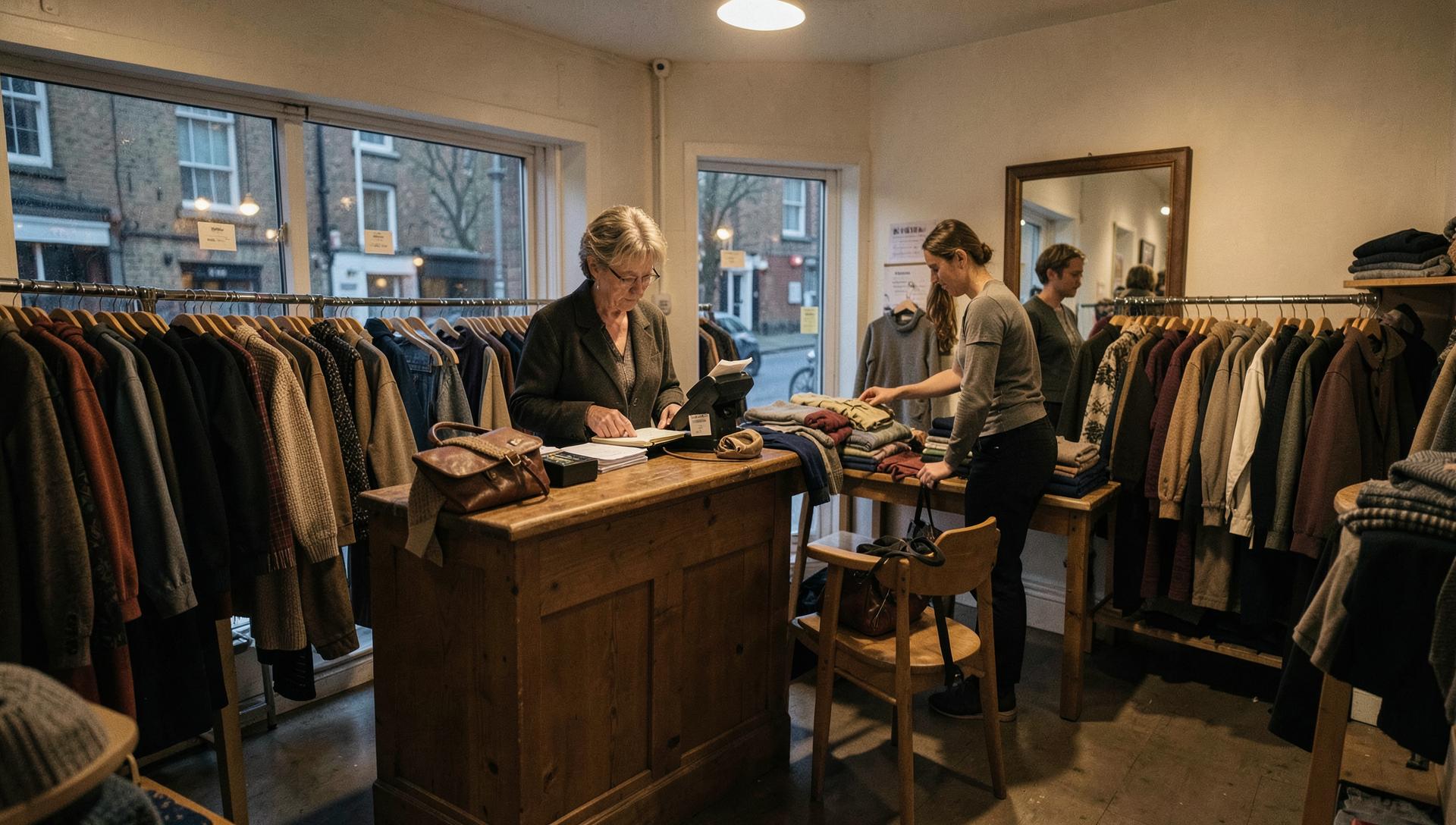
Trading finishes at five.The business questions do not.
The takings are easy to see. What the business keeps depends on supplier terms, margin, discounts, payment costs, overheads and the operating effort behind each trading day.
Reducing costs is not simply about paying less. The question is what the business keeps without weakening how the shop needs to run.
One sale is today.A customer who returns is next month as well.
Regular customers create value beyond one sale. As a retail business grows, the challenge is preserving the recognition that brings people back without relying entirely on one person's memory.
Growth can start with the customers already choosing you — giving them a good reason to return, buy again or spend in a way that still makes commercial sense.

A returning customer carries today's sale into the future.

Growing does not have to meanopening a second shop.
Growth might mean making better use of the current shop, adding online sales or ordering, local delivery, pop-ups, new product ranges or another location. The right move depends on what the business can support and what is commercially worth pursuing.
One retail business
Cost, growth and expansion decisionsdo not sit separately.
A cost decision can affect service. A growth idea can change stock, staffing and systems. Expansion can change cash, suppliers and how much the owner can see directly. Prime Street looks at those connections before recommending what should happen next.
Sometimes the answer is to change something. Sometimes it is to improve what is already working. Sometimes it is to wait.
Prime Street Commercial Review
Bring the whole shop intoone commercial conversation.
Prime Street works with retail businesses to reduce costs, grow revenue and expand with confidence — starting from how the business actually trades.
A Commercial Review looks at how costs, revenue and readiness to grow connect in your business before anything is recommended.
Your Commercial Review
Start with the questions that matter most now.
- Costs worth another look
- Revenue opportunities within reach
- Readiness for what comes next
45 minutes · Free initial review · No obligation to purchase, switch or continue.